
Job Posting Performance Reports
Overview
The Job Posting Performance Report helps administrators and recruiters understand how well their job postings are performing. From this report, you can analyze:
- Number of applicants per job
- Sources of applicants (e.g., LinkedIn, ZipRecruiter, direct links)
- Hires made from each source
- Average time to hire by source
- Hiring rates per source
- Career page views and conversion metrics
- Application completion rate
- Time candidates spend in each hiring status
Discovered's standard Job Posting Performance reporting measures recruiting through hire. It does not currently calculate employee retention or tenure after hire.
How to View Job Posting Performance Reports:
1. Access Reports
- Log into Discovered.
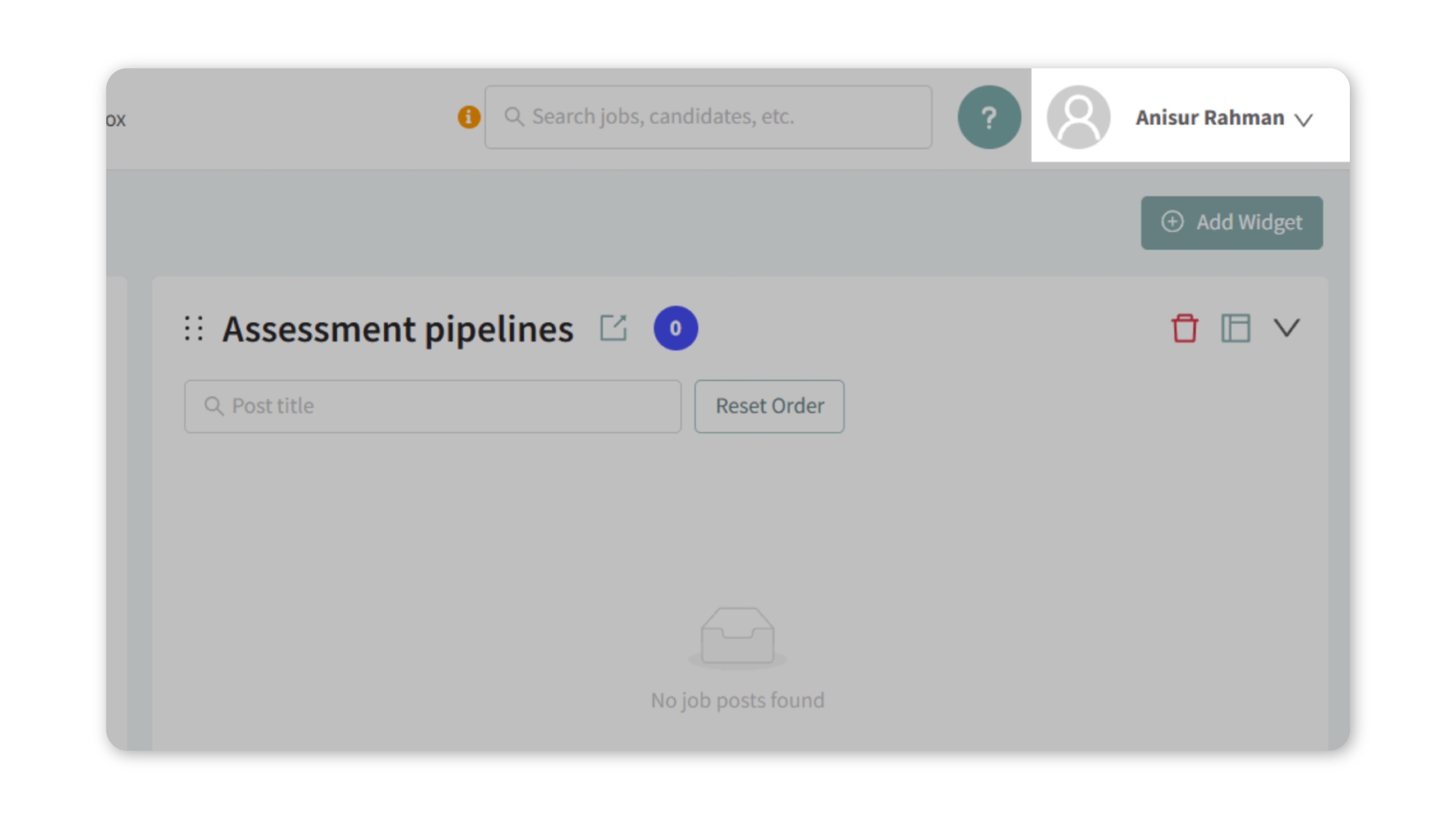
- Click your name in the top-right corner.
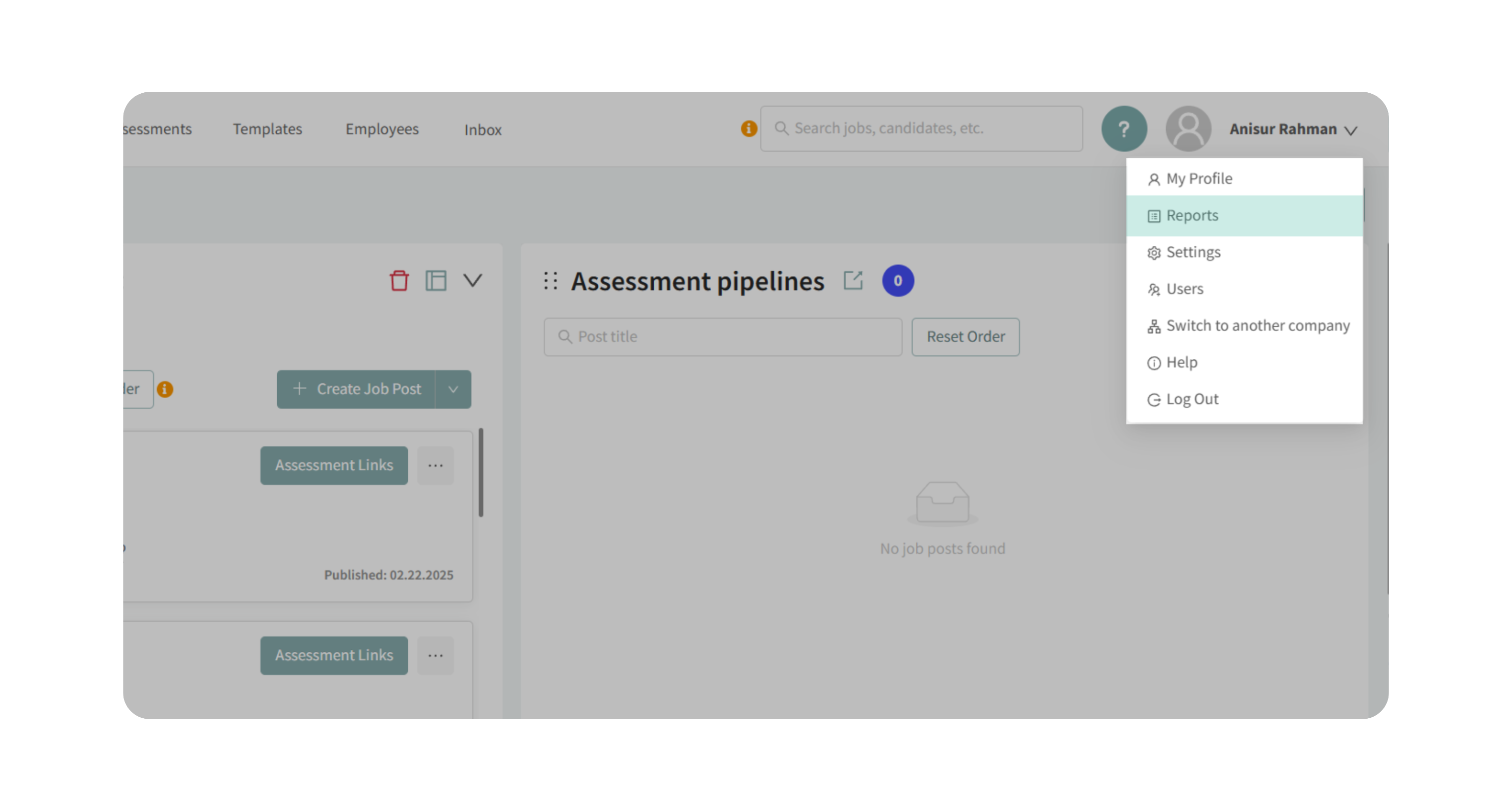
- Select Reports from the dropdown menu.
2. Open Job Posting Performance
- In the Reports section, select the Job Posting Performance tab.
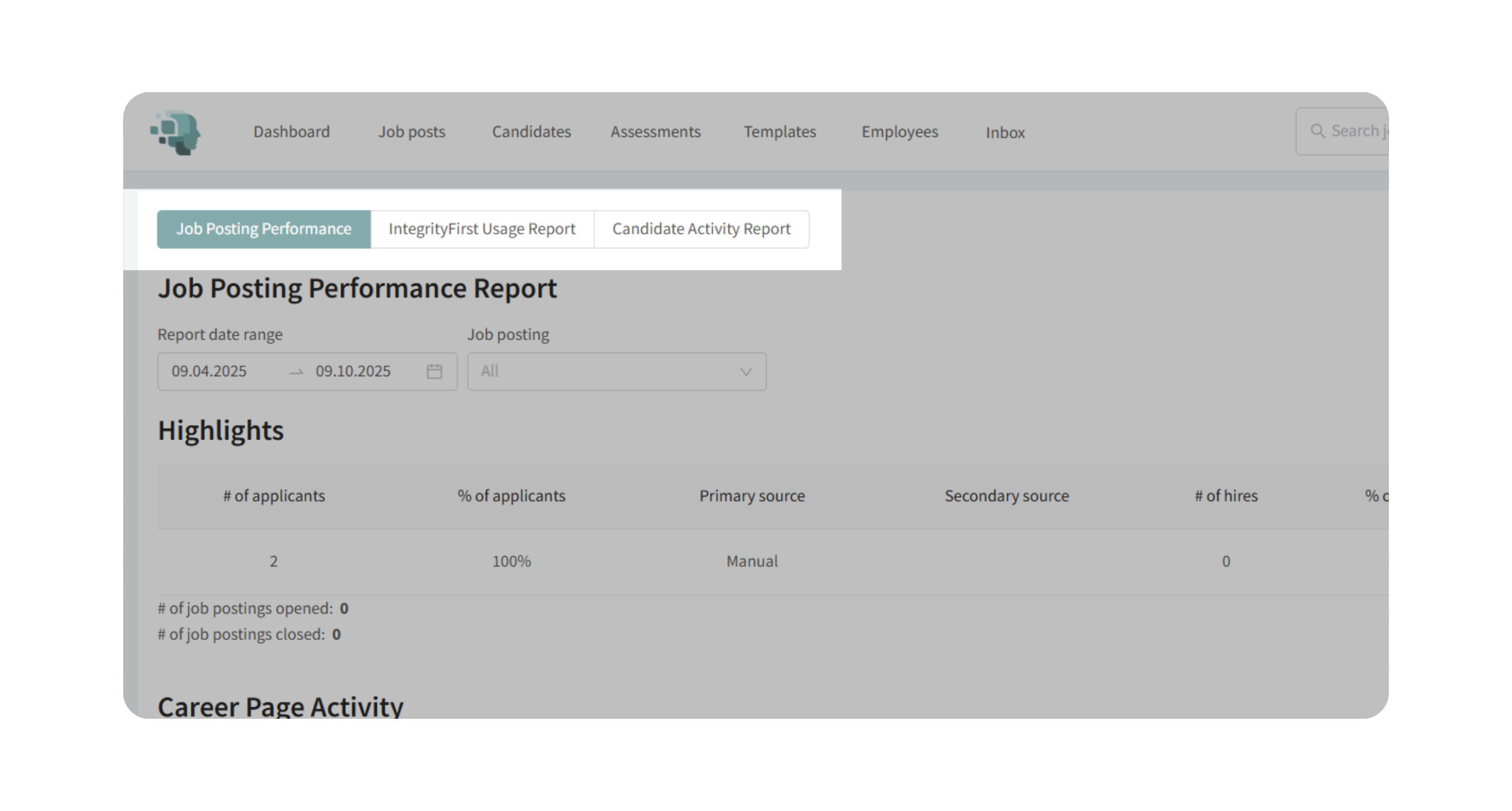
- Allow the page to load fully (this may take 5–10 seconds depending on your data volume).
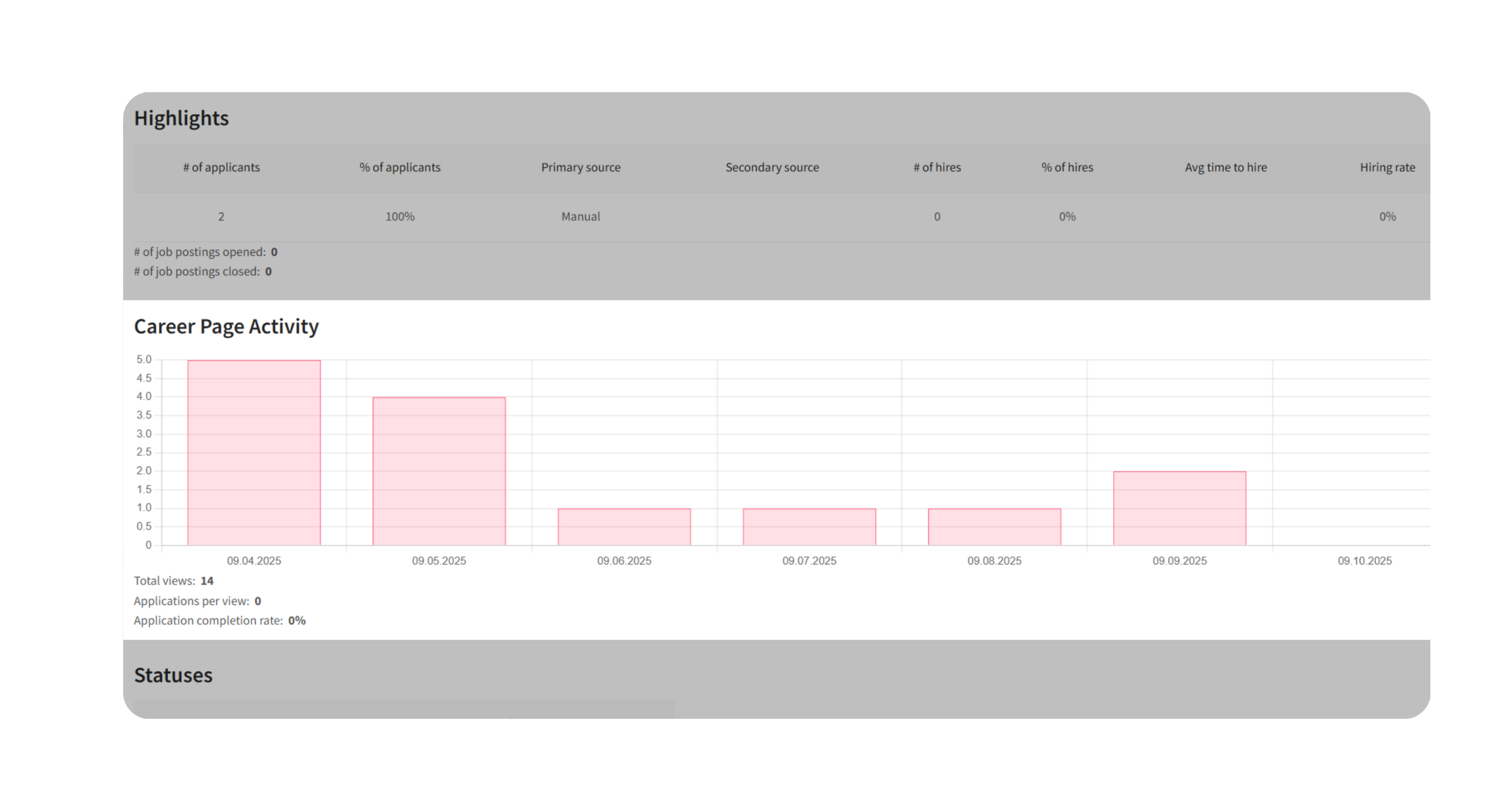
3. Review Summary Metrics
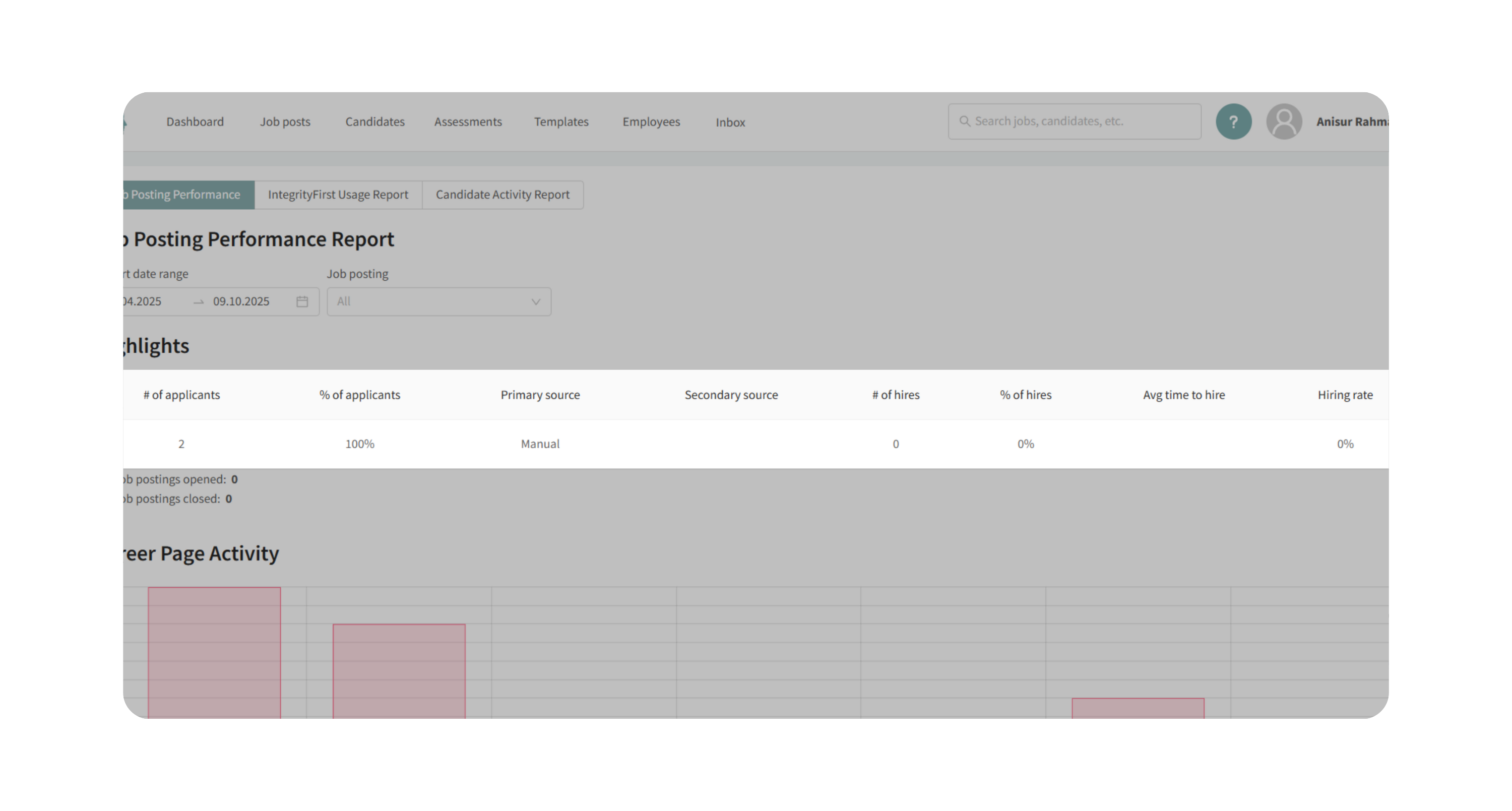
The top section highlights key performance indicators within the chosen date range:
- Number of applicants
- Percentage of applicants
- Primary Source
- Secondary Source
- Number of hires
- Percentage of hires
- Average time to hire
- Hiring rate
4. Analyze Career Page Activity
- View daily traffic to your careers page.
- See how many applications are submitted per view.
- Check application completion rate (how often candidates finish applications after starting).
5. Review Candidate Status Data
- Understand how long candidates typically remain in each stage:
- New Candidate
- Needs Further Review
- Video Interview
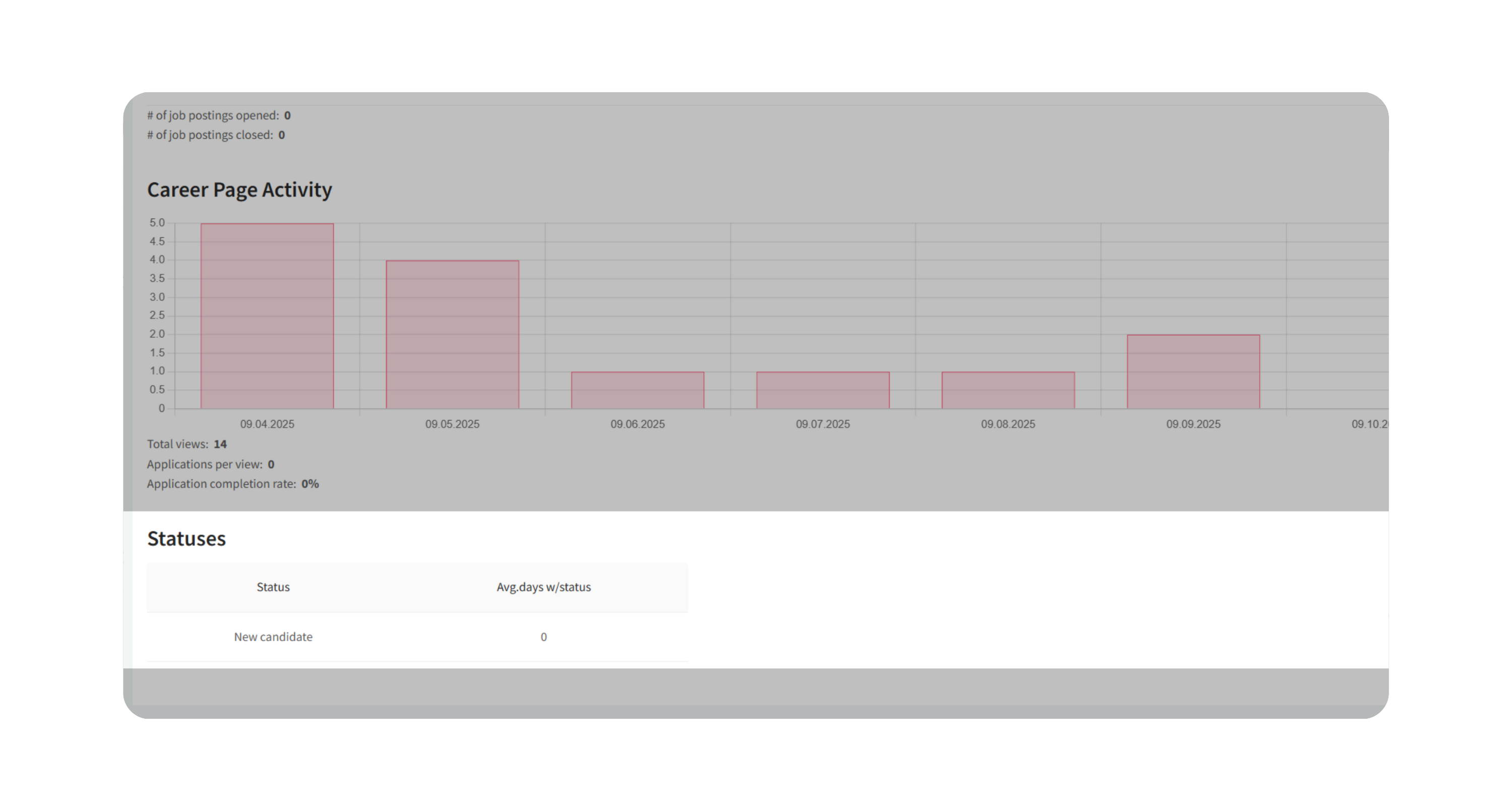
- Identify delays or bottlenecks in your hiring process.
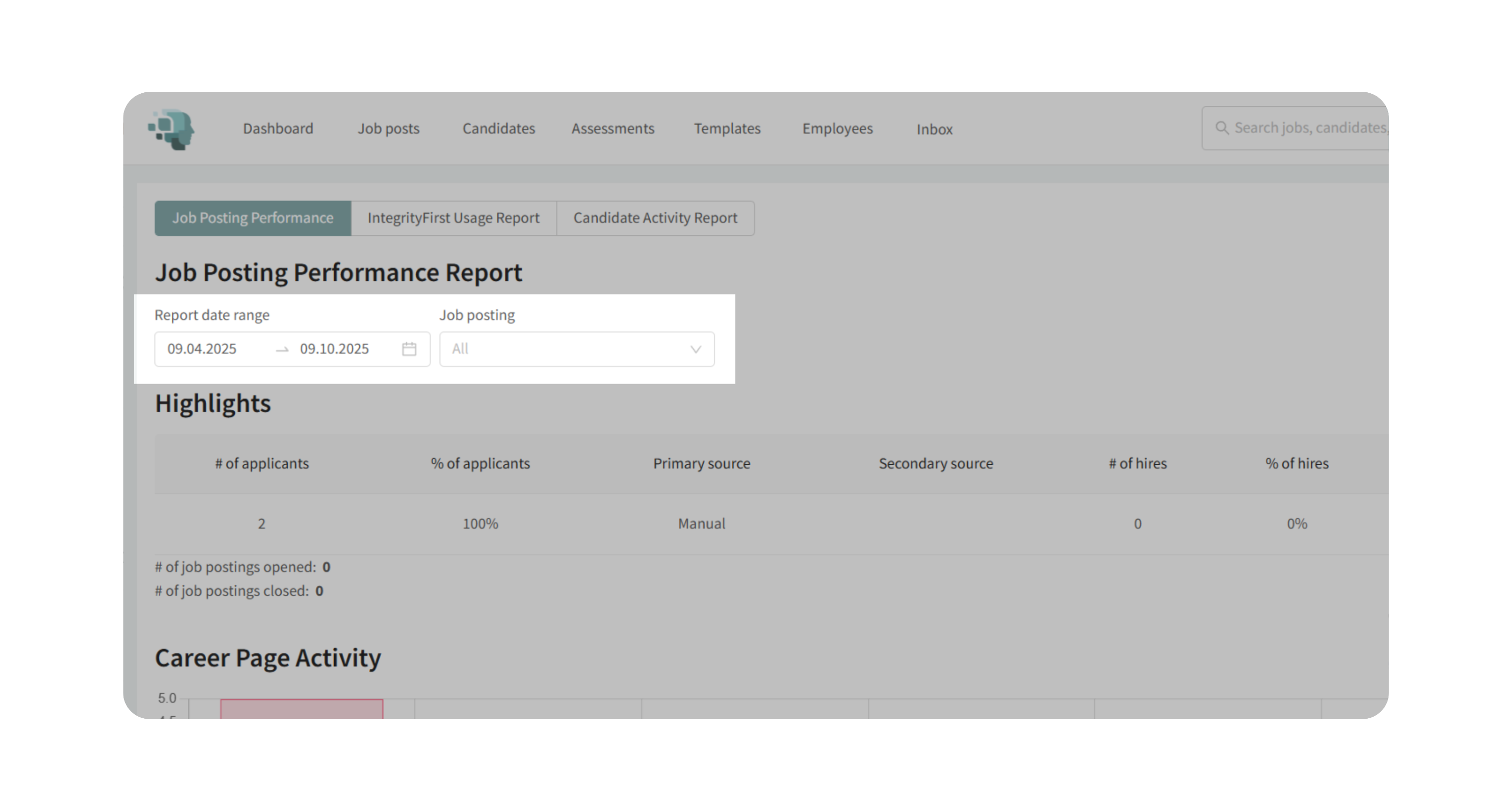
6. Filter by Job and Date Range
- Adjust the date range at the top to expand or narrow your analysis.
- Filter the report to focus on a specific job posting for deeper insights.
Tracking Employee Retention and Turnover
Job Posting Performance Reports are designed primarily to measure your recruiting and hiring process—from application through hire.
Employee retention, turnover, and length of employment are not currently calculated as standard metrics in the Job Posting Performance Report.
For example, the report can show:
- How many candidates were hired
- Where those candidates came from
- Hiring rate by source
- Average time to hire
- How long candidates spent in each hiring status
However, it does not automatically calculate how long an employee remained employed after being hired or a retention rate such as 30-day, 90-day, or 1-year retention.
Tracking Terminations or Employee Departures:
If your team wants to track post-hire outcomes in Discovered, you can create custom statuses such as Terminated or Quit to help record those outcomes.
Keep in mind that the built-in Hired status represents the completion of the recruiting workflow and remains the final default stage of the hiring pipeline.
Custom statuses can help your team record and count employee outcomes, but they do not automatically create an employee longevity or retention calculation.
Using Status Reports:
Dashboard reports that track candidates by status can help you see how many records are currently associated with statuses such as Terminated or Quit.
These reports can be useful for tracking totals and activity, but the time shown for a status reflects how long the record has been in that status—not how long the person was employed.
For example, if an employee worked for six months and was moved to Terminated today, the status duration begins when they are moved into the Terminated status. It does not represent their six months of employment.
Measuring Retention with External Employment Data:
To calculate true retention or employee longevity, you need both hiring data and post-hire employment data, such as:
- Hire date
- Termination or separation date
- Separation type, such as voluntary or involuntary
- Candidate source
- Job or department
If termination information is maintained in a payroll or HR system, that data can be combined with Discovered hiring data outside of the standard Job Posting Performance Report.
Depending on your workflow and available integrations, your team may use exported data, webhooks, or an API-enabled payroll system to combine recruiting and employment data for custom analysis.
If you need a report that combines Discovered hiring data with external employee or termination data, contact Discovered Support to discuss your reporting requirements and available options.
Why This Matters
Analyzing job posting performance helps you:
- Pinpoint which job boards and sources deliver the best candidates.
- Improve time-to-hire by spotting bottlenecks.
- Measure the effectiveness of your careers page.
- Optimize resource allocation for job sponsorships and campaigns.
Use Cases
- A recruiter wants to compare applicant sources between LinkedIn and ZipRecruiter.
- HR needs to measure the average hiring time for compliance reporting.
- A hiring manager wants to see how many candidates drop off before completing the application.
- A team wants to identify which job postings are underperforming.
Best Practices
- Always adjust the date range to match the hiring period you want to evaluate.
- Review reports weekly to catch early trends.
- Compare career page views with completed applications to measure candidate experience.
- Use job-specific filters to refine insights by role.
What Happens Next
- Reports refresh dynamically based on your selected filters.
- All new applications and hires will appear automatically in future reports.
You can switch between Job Posting Performance and Integrity First Usage Reports at any time under the Reports tab.